
Internship blog by Rowan Bayliss Hawitt
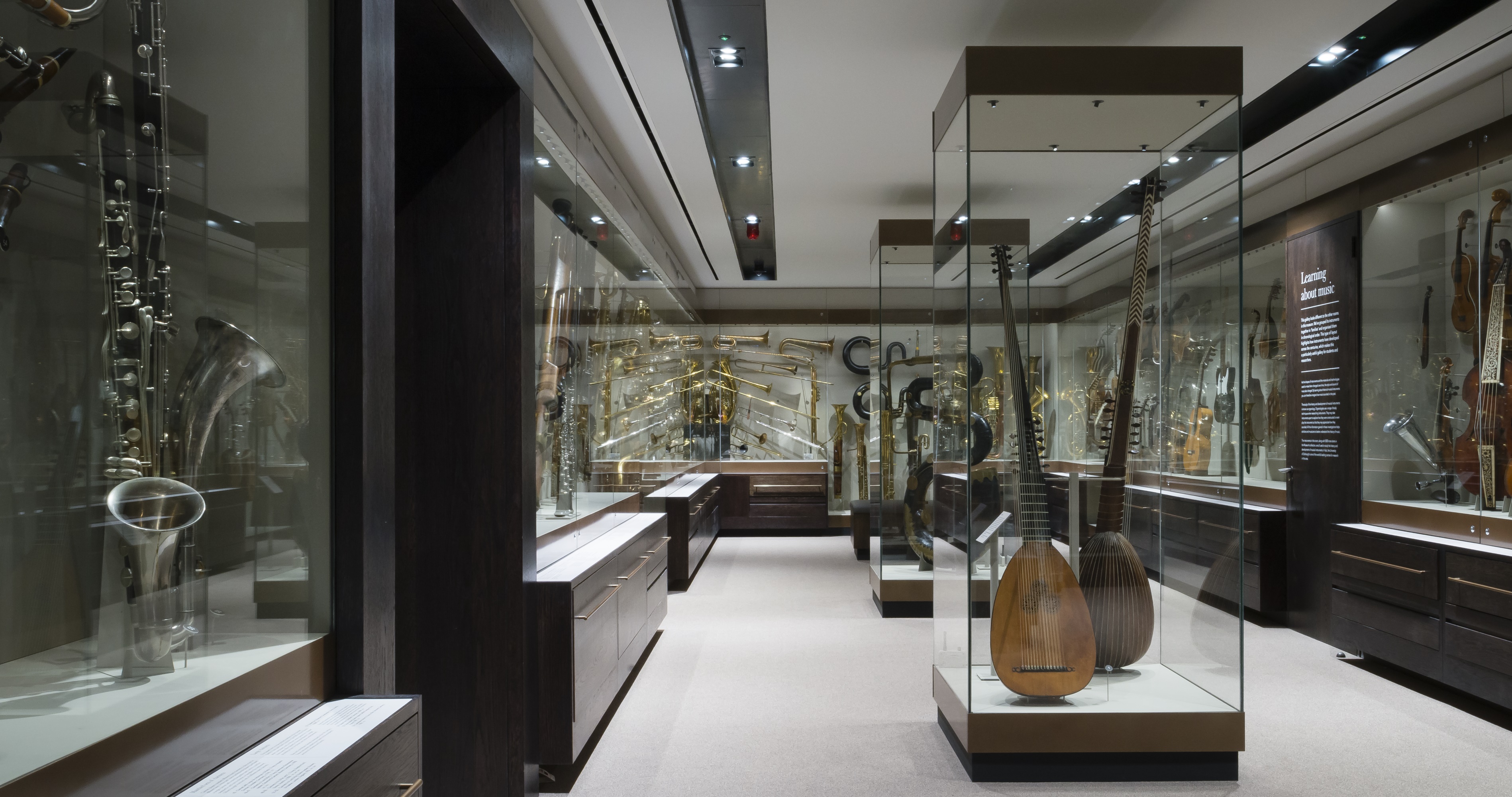
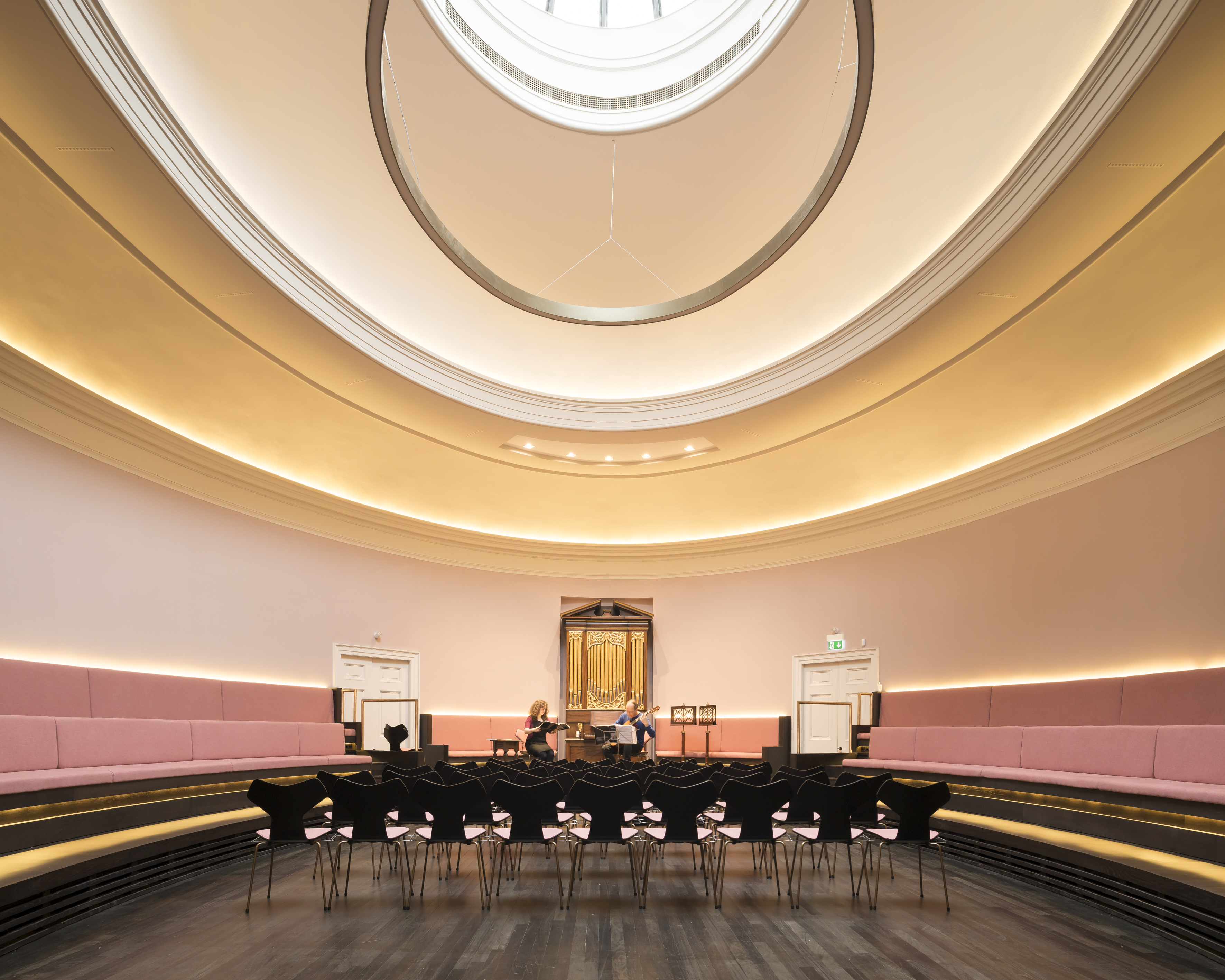
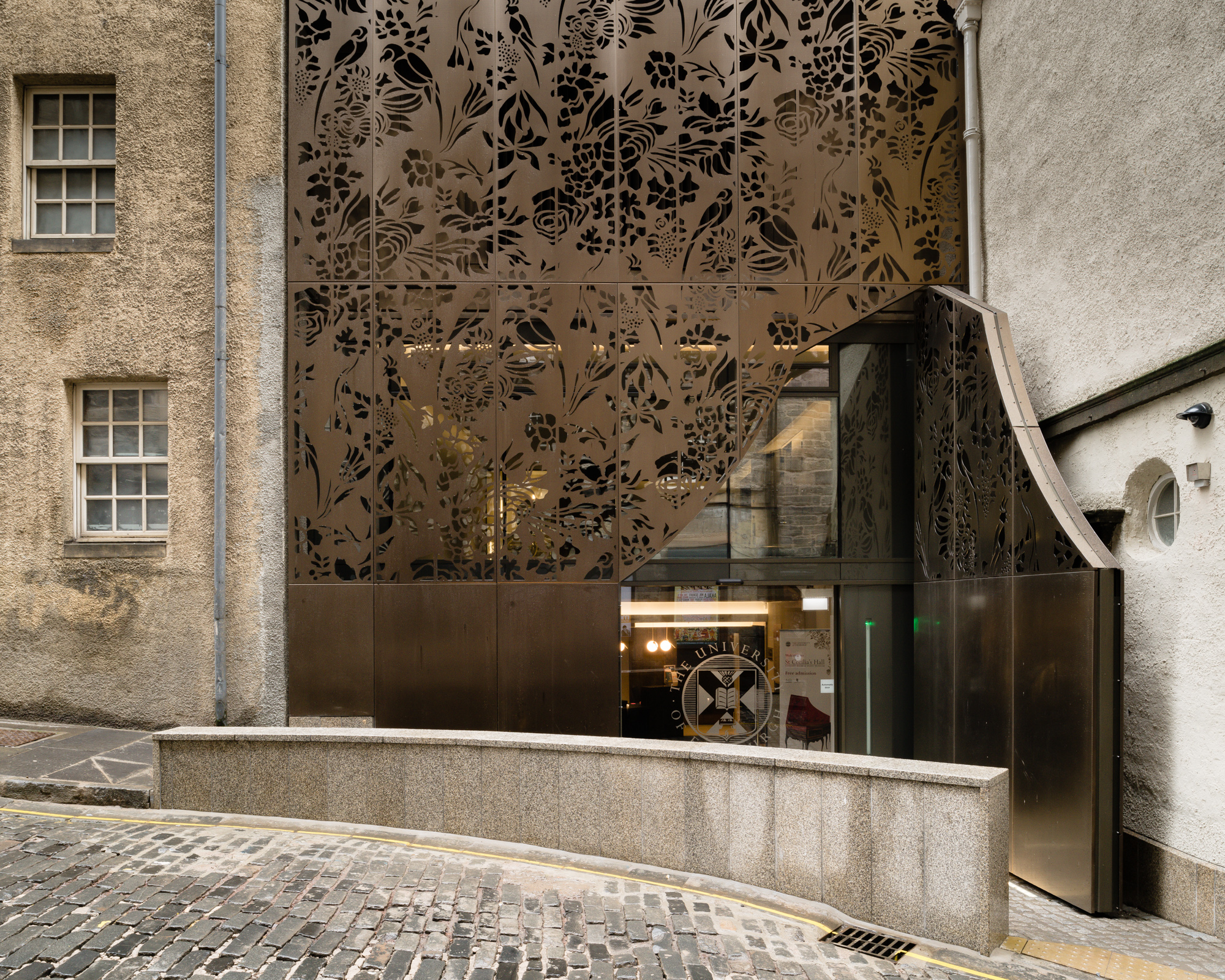
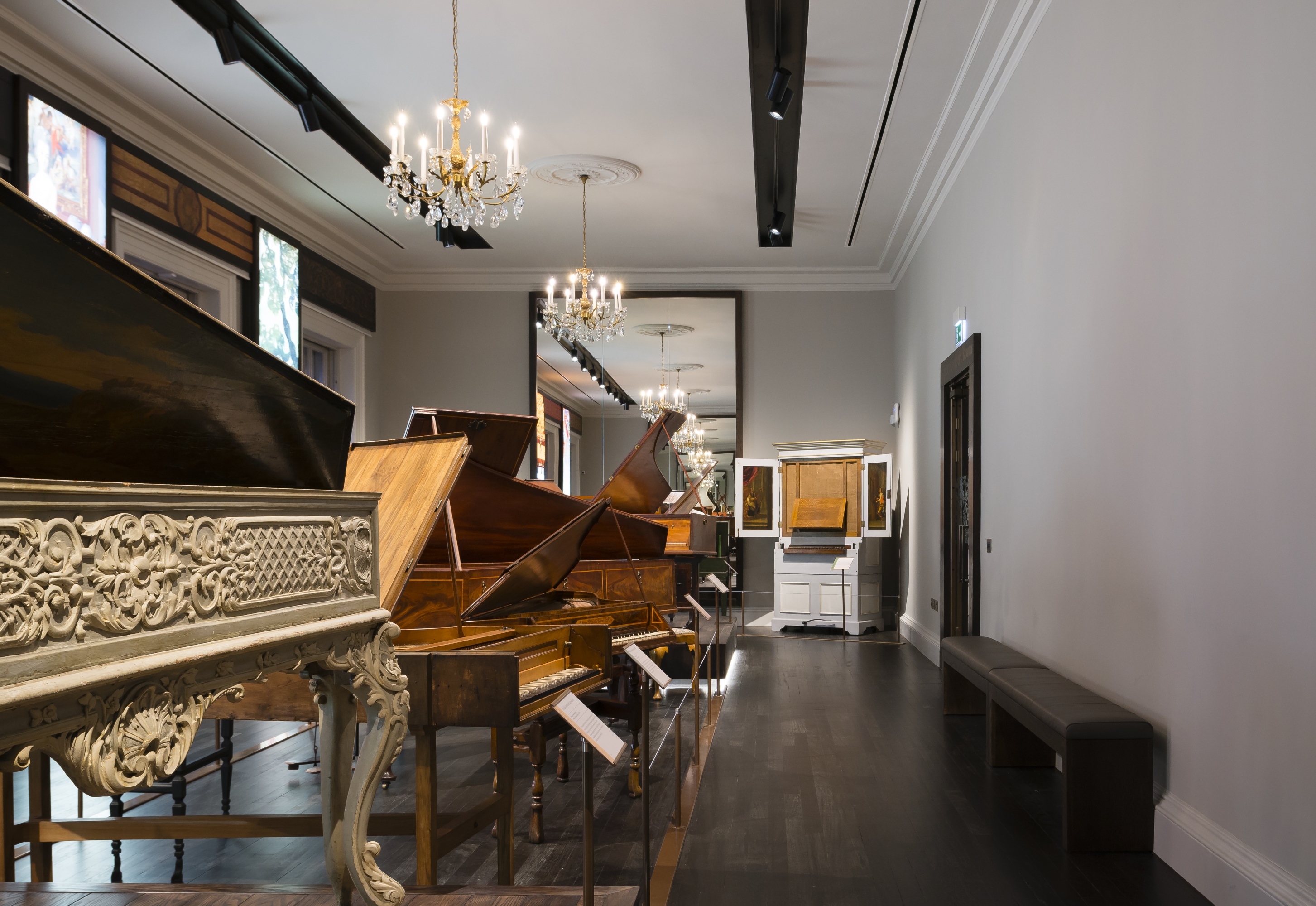
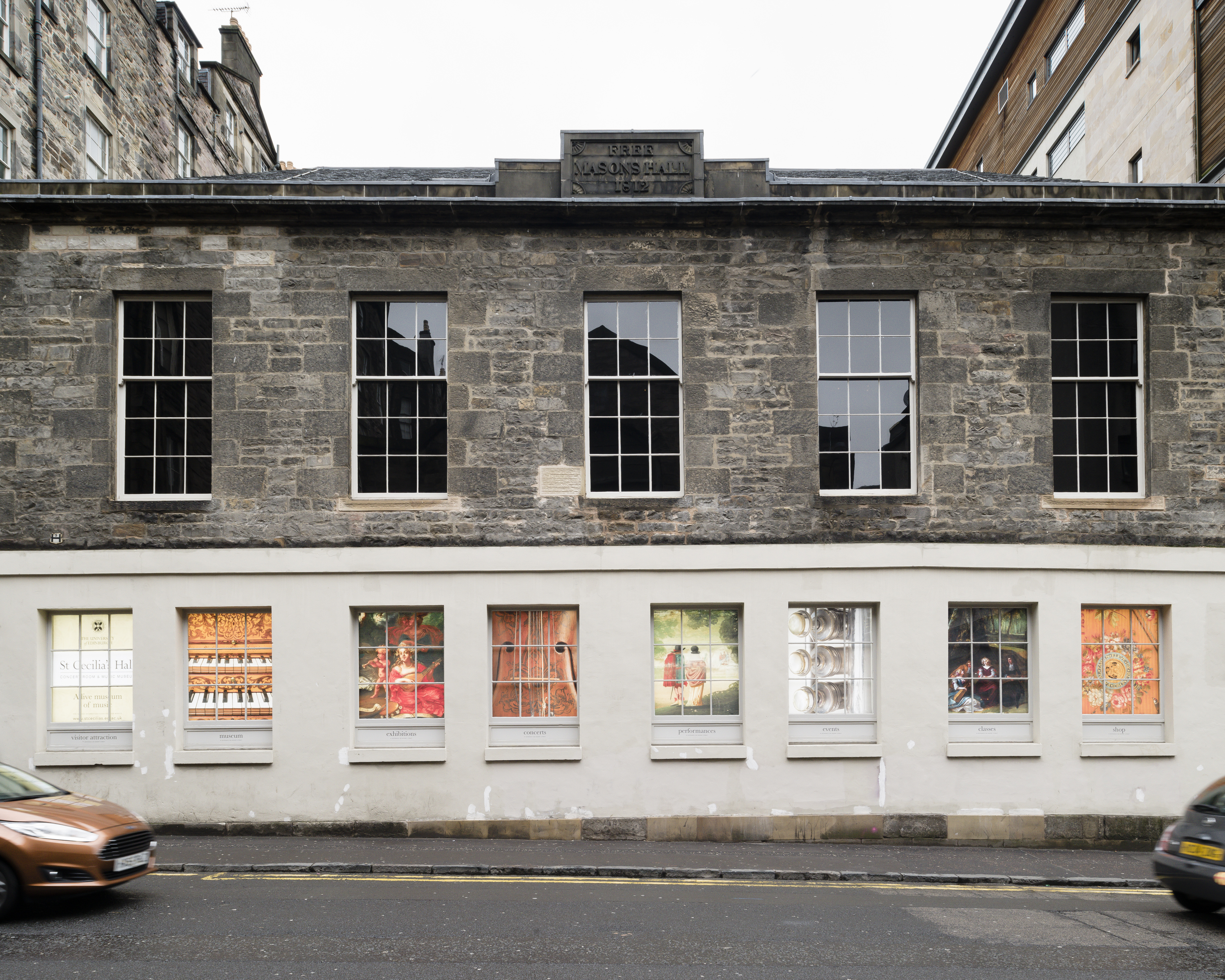
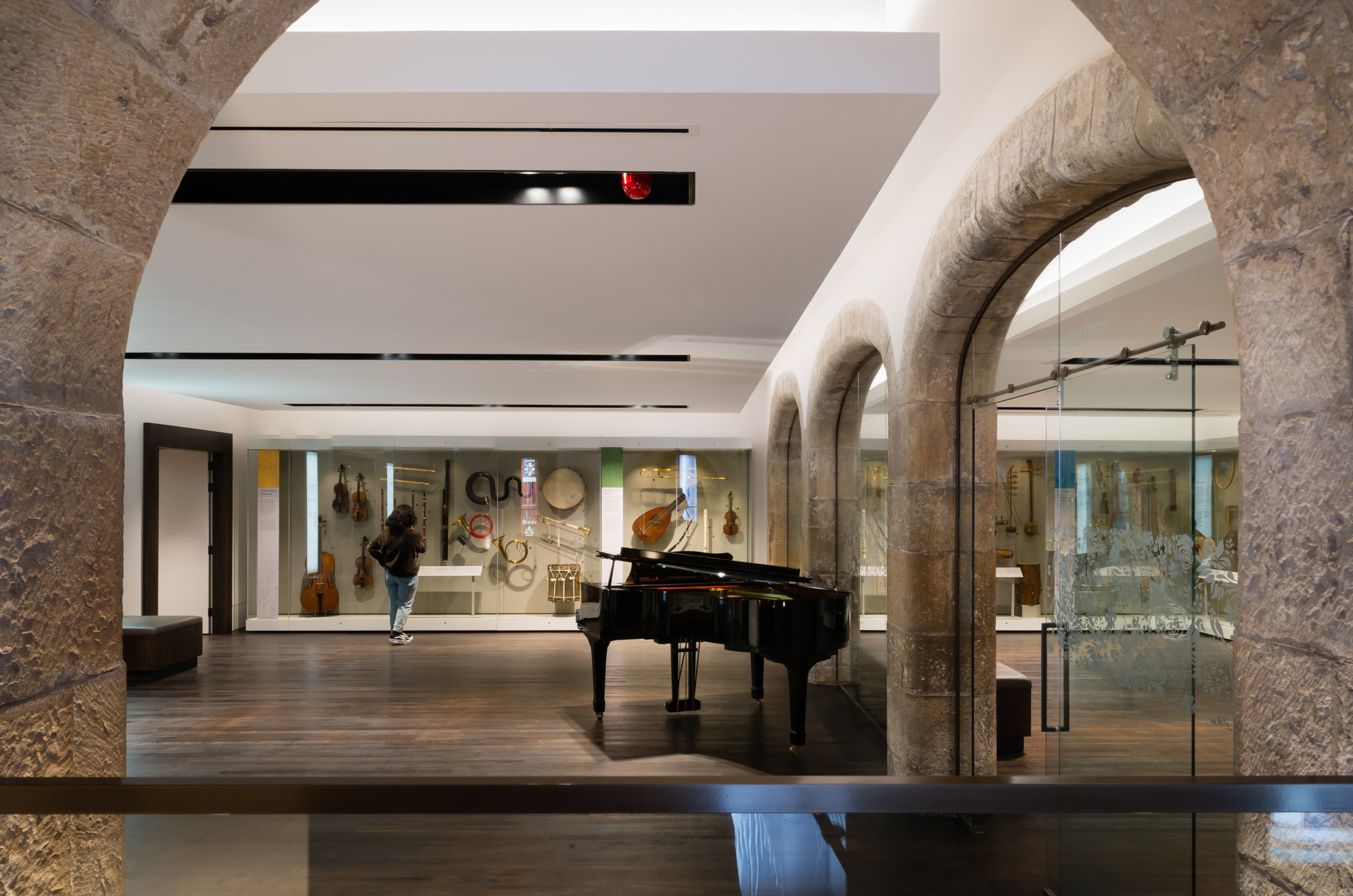
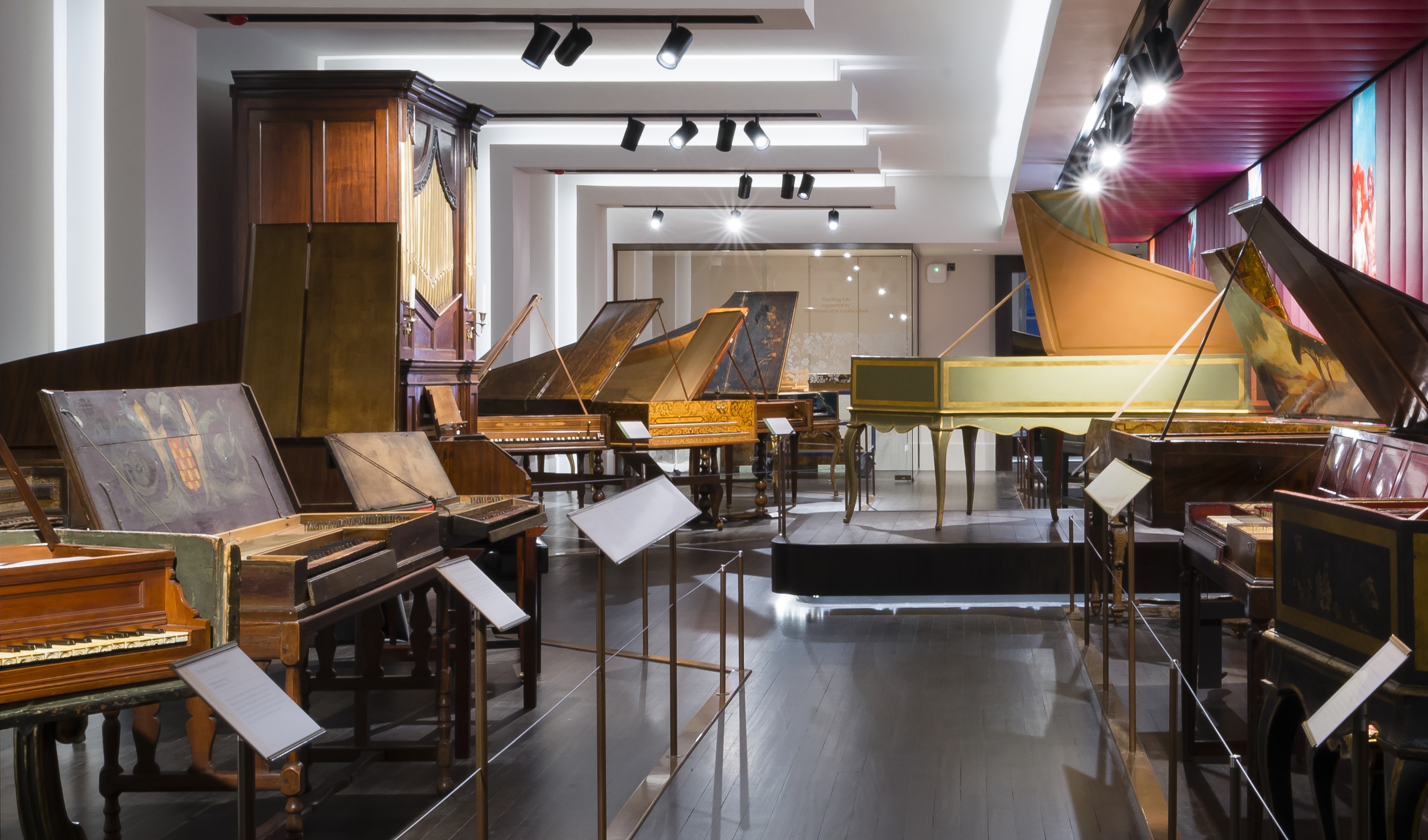
Over the past couple of months, I’ve been working with the team at St Cecilia’s Hall, the University’s musical instrument museum. With the combination of a huge array of instruments in the collection and the oldest purpose-built concert hall in Scotland, St Cecilia’s is a great place to actually hear and record historic instruments.
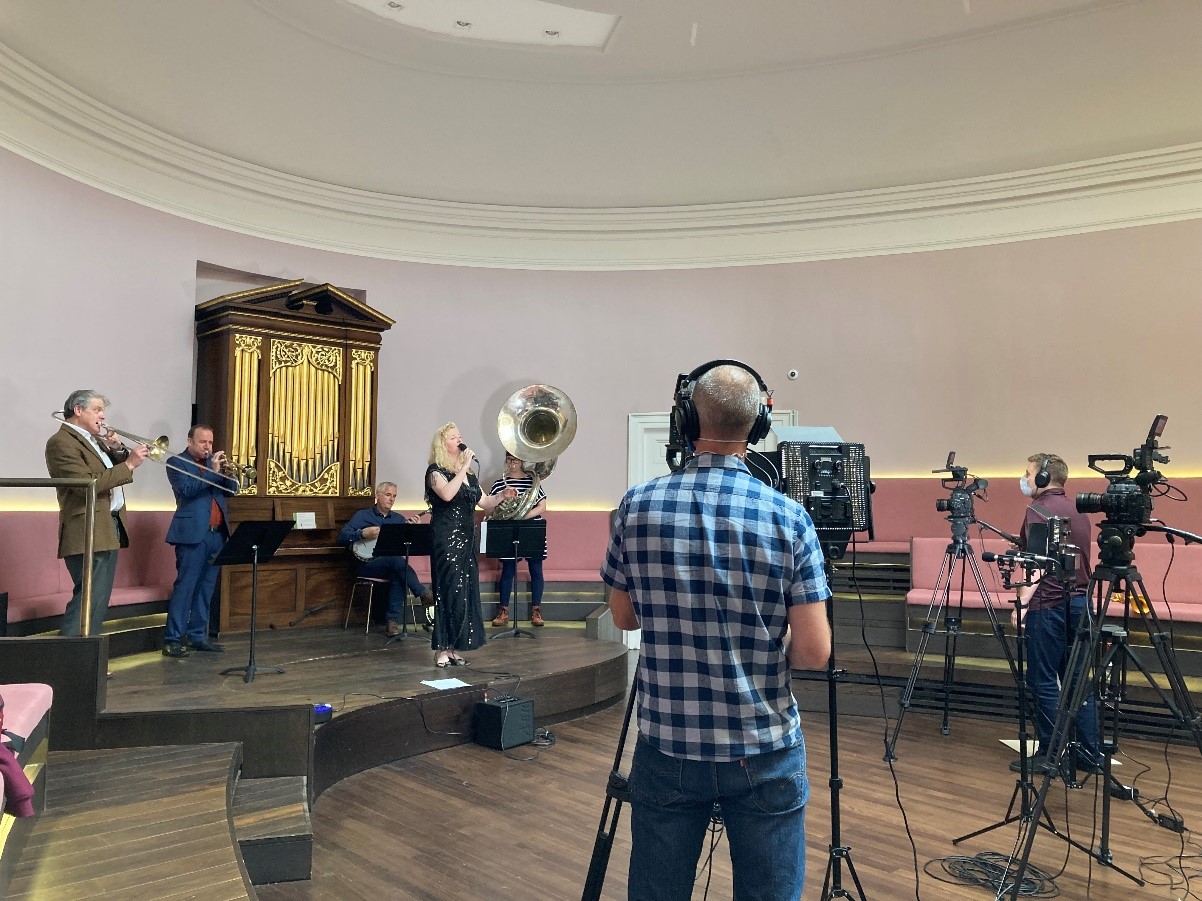
And that’s exactly what this internship has been all about! St Cecilia’s was recently awarded funding from Museums Galleries Scotland as part of their Covid-19 recovery package to carry out a project called ‘Can’t Stop the Music’. This project is designed to increase access to the museum’s collections by creating short films about various instruments and making these available both in the museum and online. Alongside a team of videographers, we worked with 29 musicians to produce 25 short films of musicians demonstrating instruments from across the collection and six 30-minute filmed ‘concerts’, which showcased an instrument or musical style in greater depth. This means that even people who can’t get to the museum can engage with these instruments and – importantly – hear what they sound like. My job within this project has been to source players from the Edinburgh area to come in and record certain instruments. This has involved researching local musicians and making contact with community groups, as well as scheduling the filming and doing the admin that comes along with such a large project. When filming took place in July 2021, we had a grand total of 37 instruments demonstrated and recorded.
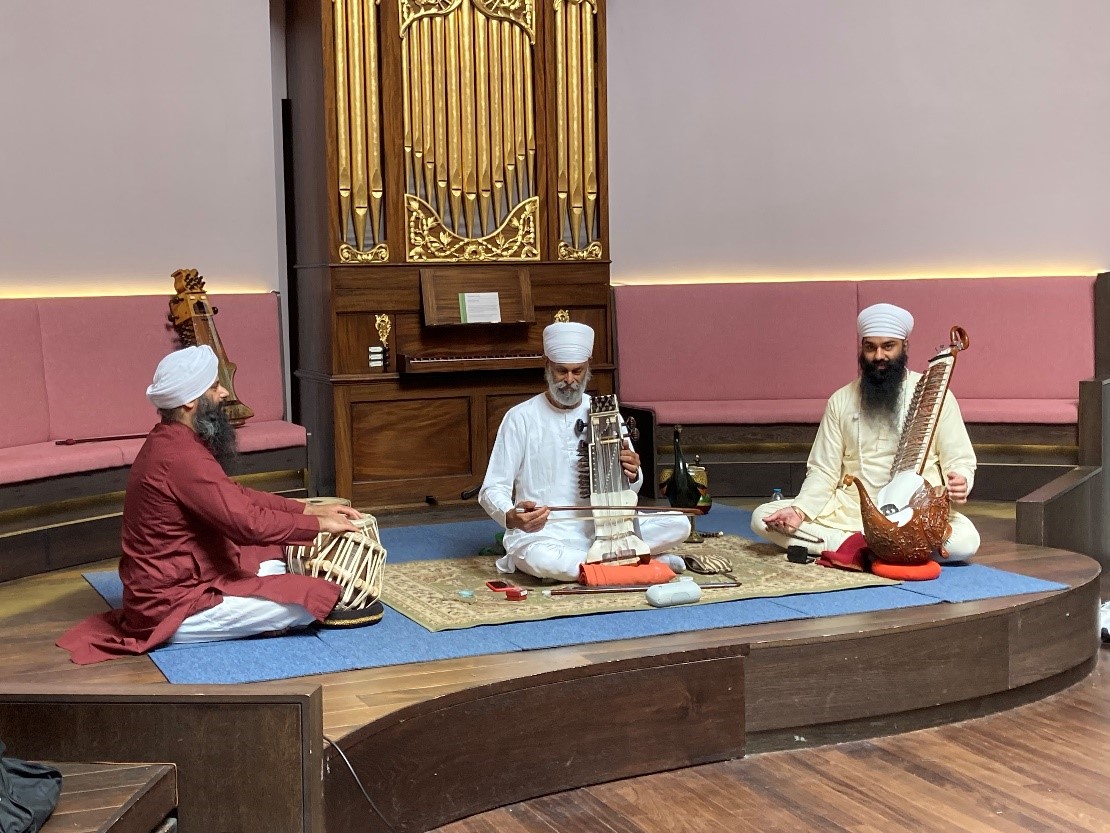
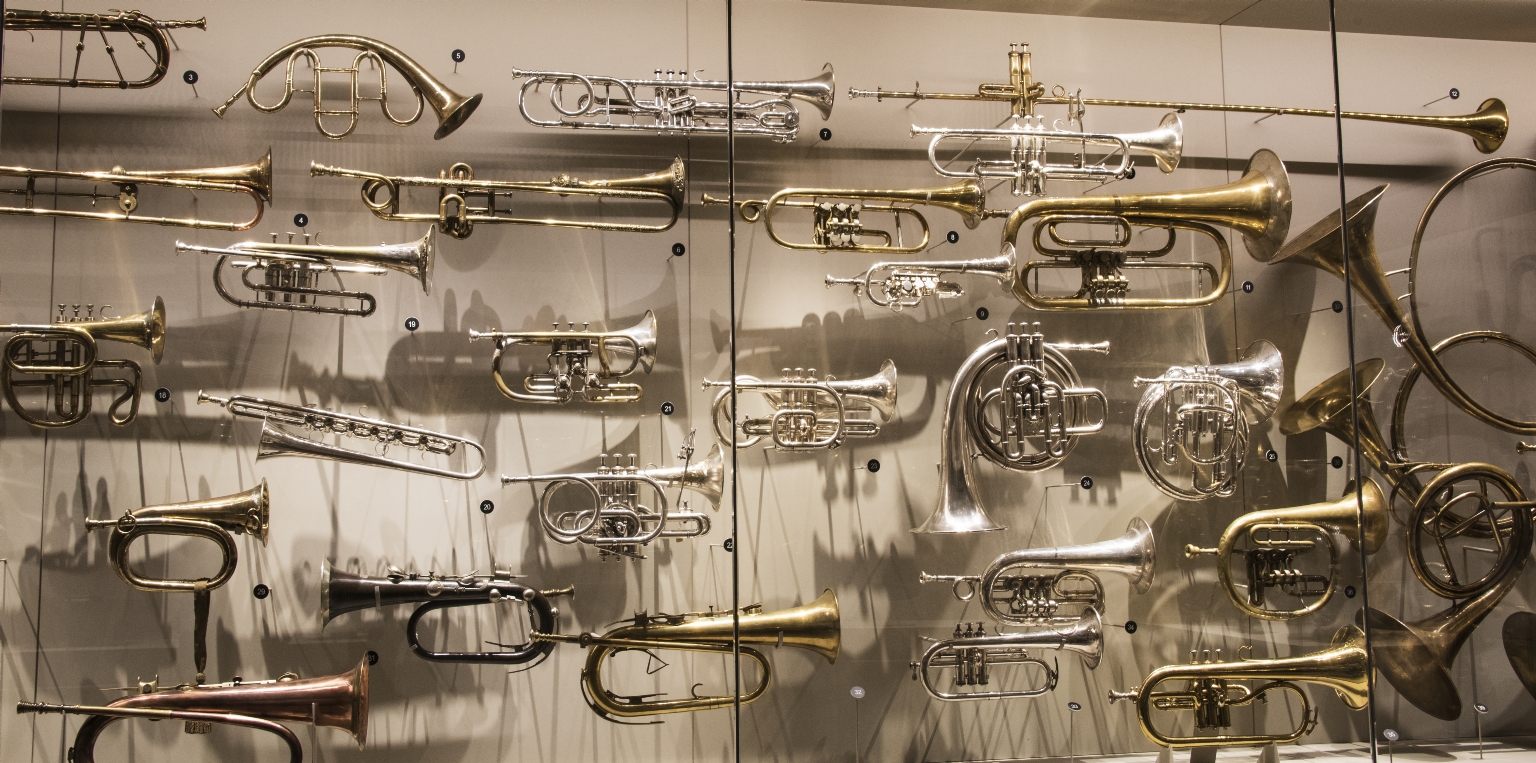
Showcasing the breadth of the museum’s collections was an important factor, so that visitors – online or in person – can experience a variety of historic instruments from across multiple traditions. From the more familiar harpsichord and viola, to the bizarre contrabass serpent (the only one in existence, apart from modern reconstructions), to the chimerical Stroh violin, the project has helped to highlight the histories and sounds of the collections. We’ve also been able to showcase instruments which are less often heard in Scotland: an Indian classical music concert was filmed using the sarangi, tabla, and taus; and kora player Gameli Tordzro gave a recital of his own compositions, drawing on West African musical traditions.
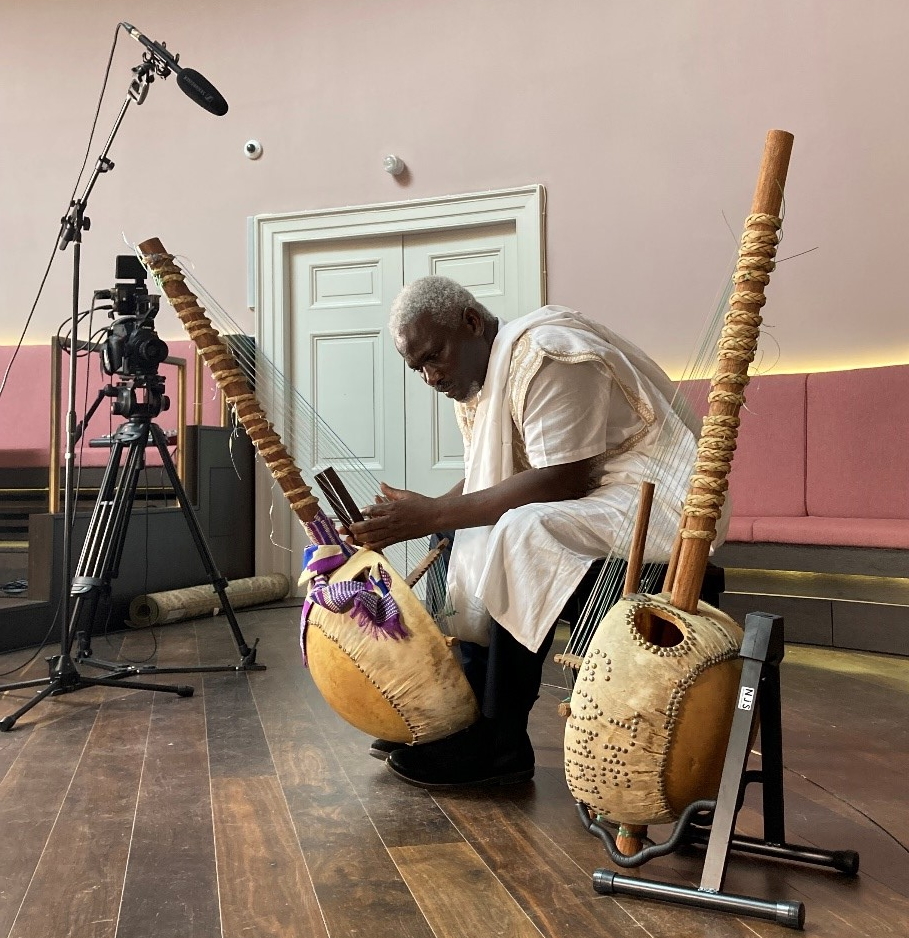
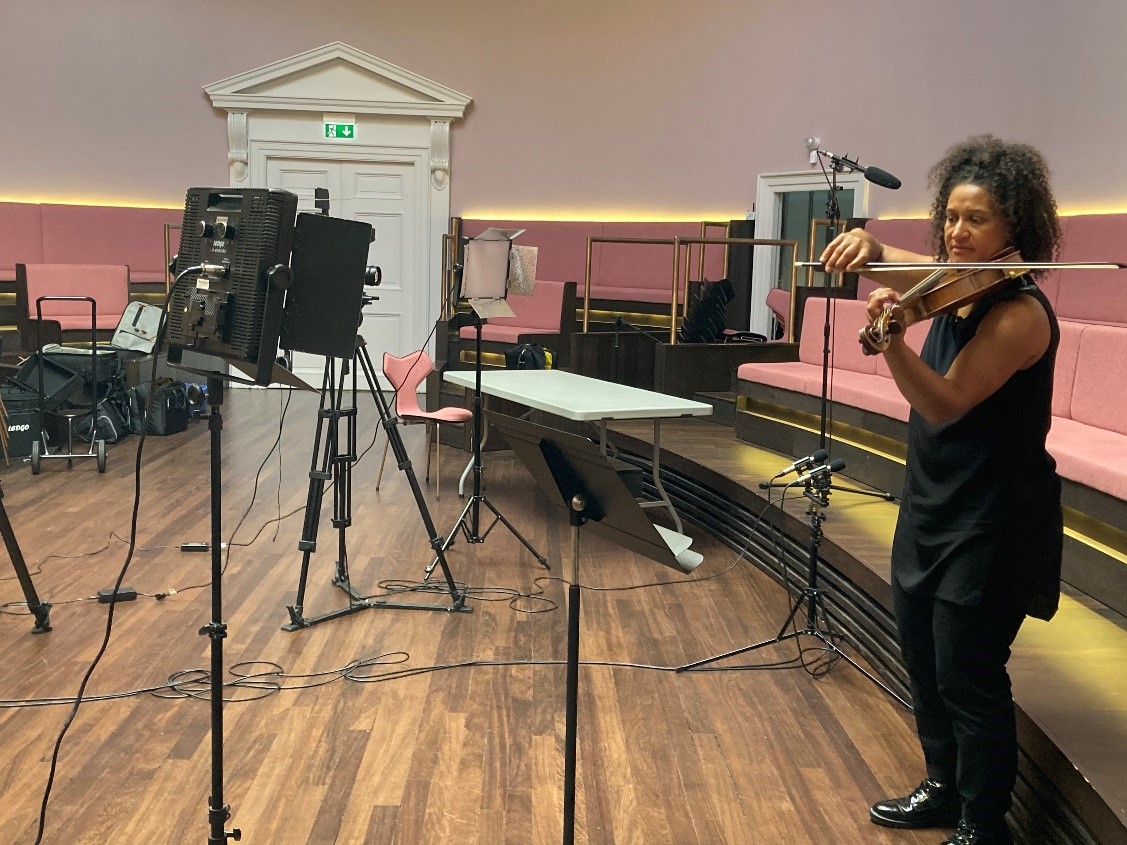
Hearing such a diversity of instruments and musical styles really brought home what is unique about St Cecilia’s – the histories, players, and sounds behind each physical object. After living a home- and desk-based existence for so long, spending the five days of filming on-site was refreshing and a really satisfying way to bring the internship to a close.
Learning about all these instruments has also allowed me to channel my brain towards something other than my PhD – essential for keeping it fresh, I think! It was also a fun challenge to find musicians who can play the instruments; unsurprisingly, there aren’t many people near Edinburgh who are professional shakuhachi, Hardanger fiddle, or decacorde players, for instance, so I’ve had the privilege of making good connections with community groups and charities which involve these musicians. The ‘Can’t Stop the Music’ project feels like it has and will make a positive impact on others, through providing work for the wonderful musicians and allowing a broader audience to experience the instruments at St Cecilia’s. A massive thank you to Sarah, Jenny, and Jonathan at St Cecilia’s for making me feel so welcome and being such a brilliant team to work with!